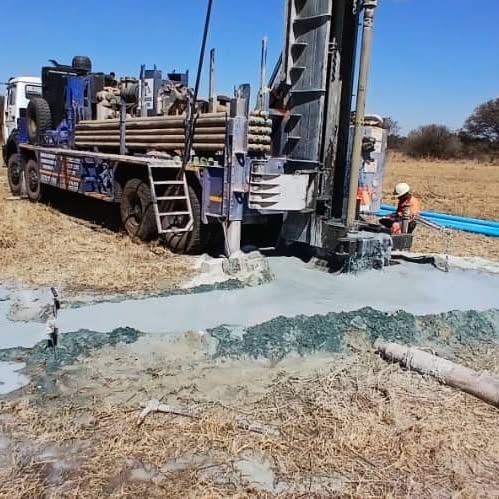

Borehole drilling on rugged terrain presents unique technical and logistical challenges that require experience, proper equipment, and sound geological understanding. Areas with rocky ground, uneven surfaces, steep slopes, or limited access demand specialised drilling methods to ensure a successful and long-lasting water supply.
For property owners, farmers, and developers, understanding how terrain affects borehole drilling is critical when planning a reliable water solution.
What Is Rugged Terrain in Borehole Drilling?
In borehole drilling, rugged terrain typically refers to sites with:
- Hard rock formations such as granite, basalt, or dolerite
- Steep or sloping land
- Uneven ground requiring stabilisation
- Shallow or fractured bedrock
- Restricted access for drilling machinery
These conditions are common in rural farms, hilly residential areas, mining zones, and remote developments.
Key Challenges of Borehole Drilling on Rugged Terrain
1. Limited Site Access
Drilling rigs are heavy and require stable access routes. Rugged terrain may require:
- Clearing or upgrading access roads
- Use of specialised or compact drilling rigs
- Extra time and fuel for mobilisation
Poor access is often one of the biggest contributors to increased drilling costs.
2. Hard Rock Drilling Conditions
Rocky terrain requires advanced drilling techniques such as:
- Down-The-Hole (DTH) hammer drilling
- Rotary air drilling
Hard rock slows drilling progress and increases wear on drilling bits, compressors, and hammers, making experienced operation essential.
3. Uneven and Unstable Ground
Uneven terrain affects:
- Rig levelling and drilling accuracy
- Operator safety
- Borehole alignment
In some cases, site preparation or temporary platforms are required before drilling begins.
4. Complex Subsurface Geology
Rugged terrain often hides unpredictable underground conditions, including:
- Fractured rock zones
- Sudden changes from soil to bedrock
- Collapse-prone formations
These conditions usually require additional borehole casing to protect the hole and maintain long-term stability.
How Rugged Terrain Affects Borehole Drilling Costs
Borehole drilling on rugged terrain is typically more expensive due to:
- Longer drilling times
- Increased fuel consumption
- Higher equipment wear and maintenance
- Additional casing materials
- Site preparation and access work
Low-cost drilling quotes that ignore terrain realities often result in failed or low-yield boreholes.
Best Practices for Successful Borehole Drilling on Rugged Terrain
1. Proper Site Assessment
A physical site inspection helps determine:
- Equipment suitability
- Access requirements
- Safe borehole positioning
2. Hydrogeological and Geophysical Surveys
Professional surveys help identify:
- Water-bearing fractured zones
- Optimal drilling depth
- Areas to avoid
This step significantly increases success rates in rocky environments.
3. Correct Drilling Method and Equipment
Using the right drilling method reduces:
- Drilling time
- Mechanical breakdowns
- Risk of borehole failure
4. Adequate Borehole Casing
Rugged terrain often requires:
- Deeper casing into stable rock
- Heavy-duty PVC or steel casing
Proper casing protects the borehole from collapse and contamination.
Why Experience Matters on Rugged Terrain
Drilling in rugged terrain leaves little room for error. Poor siting, inadequate casing, or incorrect drilling methods can result in:
- Low-yield boreholes
- Collapsed holes
- Costly re-drilling
- Long-term water supply problems
This is why experienced drilling contractors such as Ragnarock Drilling place strong emphasis on site assessment, geology, and correct drilling techniques—especially in difficult terrain.
Conclusion: Drill Right the First Time
Borehole drilling on rugged terrain is entirely achievable with proper planning and professional execution. While terrain challenges may increase complexity, they should never be ignored or underestimated.
Investing in expert assessment, correct equipment, and experienced operators ensures a reliable borehole that performs well for years to come. In rugged terrain, quality drilling is not an expense—it is a long-term investment in water security.