DEEPENING & FLUSHING
WHEN IS DEEPENING & FLUSHING NEEDED?
DEEPENING & FLUSHING
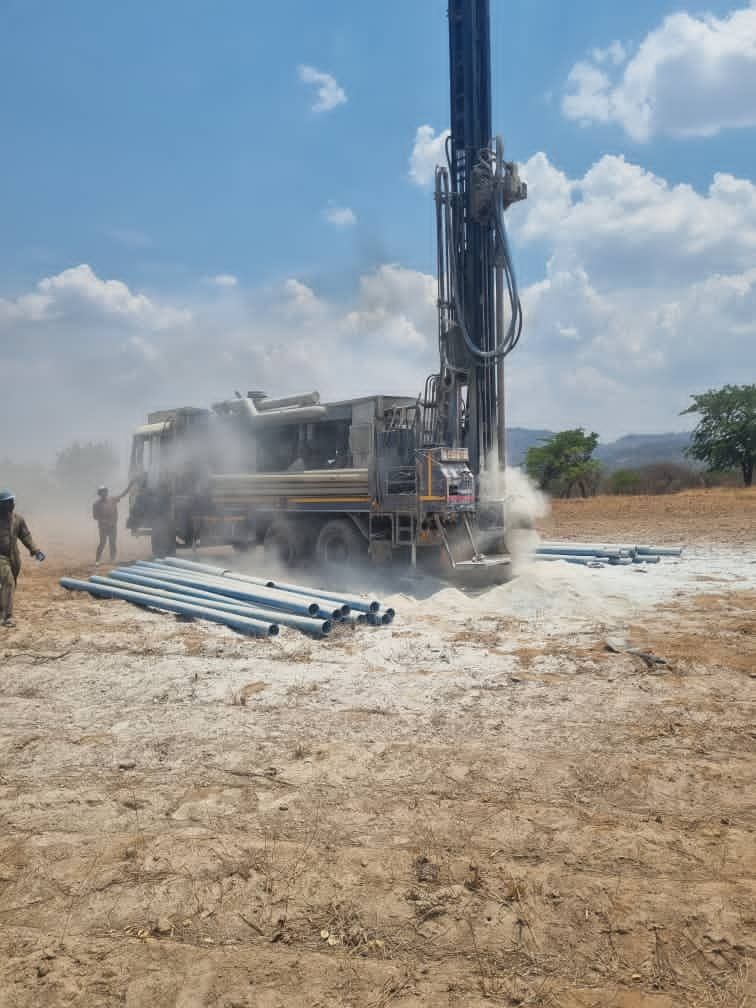
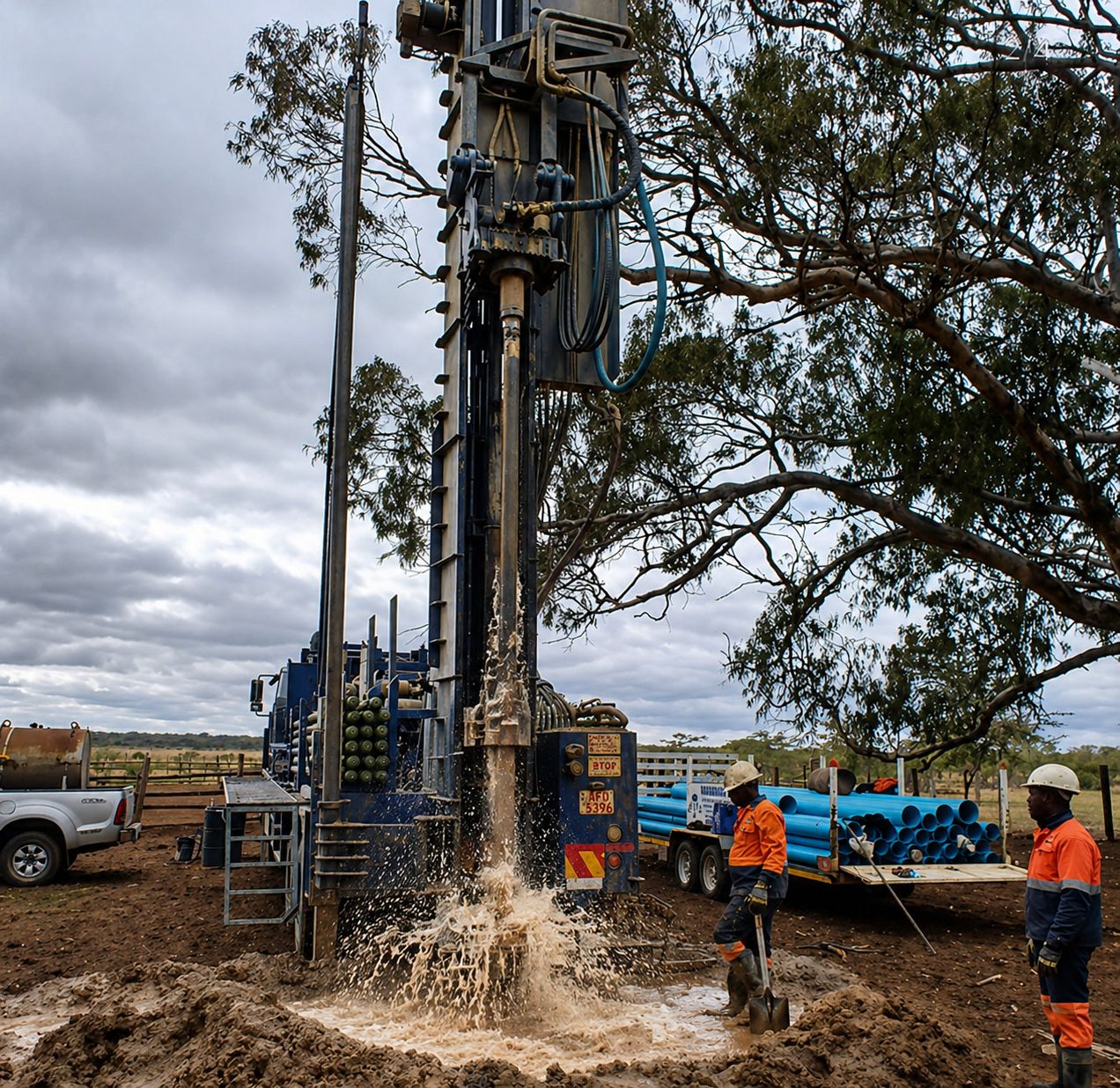
Deepening and flushing are effective solutions for improving the performance of an existing borehole. Over time, boreholes may experience reduced yield, blockages, or changes in water levels that affect overall output.
Deepening involves extending the borehole to access additional water-bearing zones, while flushing removes sediment, debris, and buildup that may be restricting water flow.
These methods help restore efficiency, improve water yield, and extend the lifespan of the borehole. Each project is assessed individually to determine the most appropriate approach based on current conditions and performance.
above section is only visible on mobile for spacing purposes
WHEN IS DEEPENING & FLUSHING NEEDED?
When the borehole produces less water than expected.
When debris or silt is restricting
water flow.
When water levels drop over time
or during dry periods.
When performance decreases due
to age and wear.
When the borehole produces less water than expected.
When debris or silt is restricting water flow.
When water levels drop over time or during dry periods.
When performance decreases due to age and wear.
above section is only visible on mobile for spacing purposes