CAPACITY TESTING
OUR PROCESS
CAPACITY TESTING
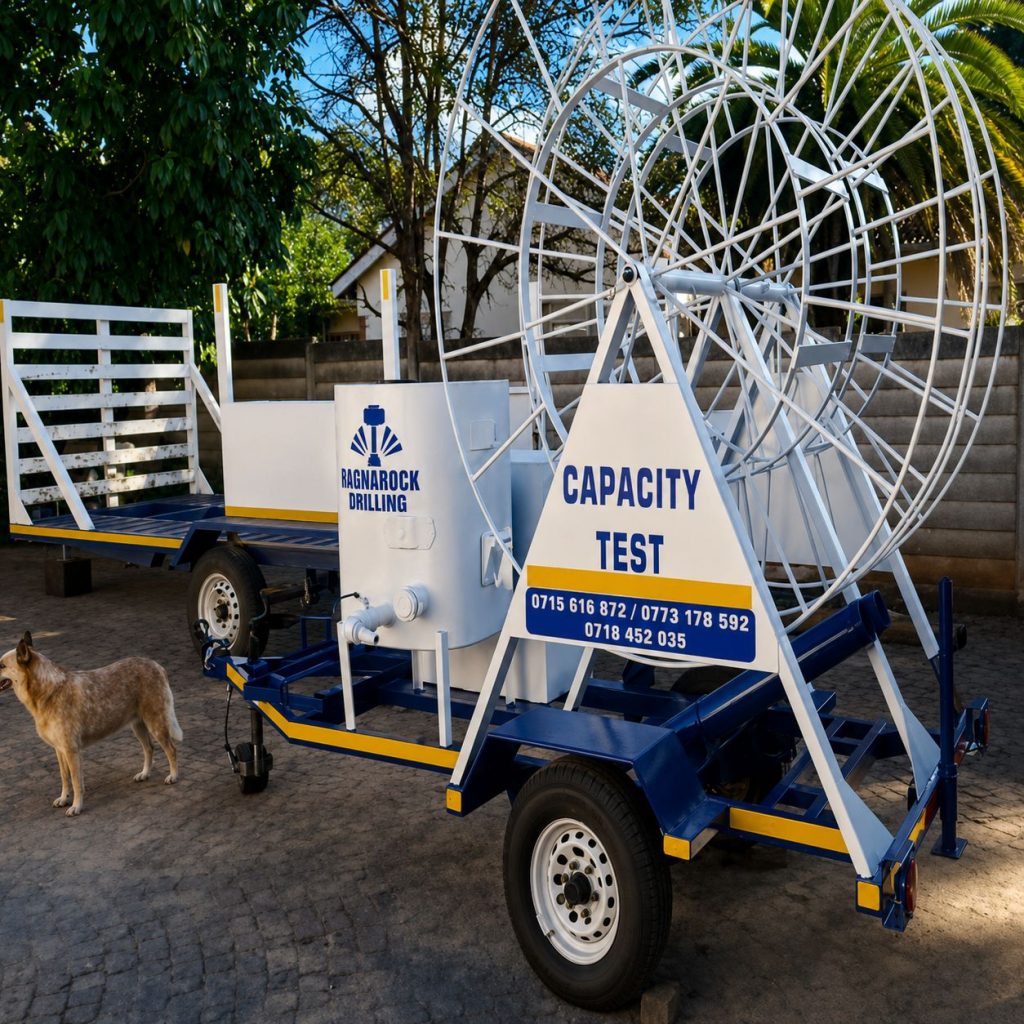
Capacity testing is a critical step in determining the performance and sustainability of a borehole. It measures the yield of the borehole and assesses its ability to provide a consistent water supply over time.
This process involves controlled pumping and monitoring of water levels to evaluate how the borehole responds under use. The results help determine the appropriate pump size and ensure the system is designed for long-term reliability.
Without proper testing, it is difficult to confirm whether a borehole can meet demand or maintain performance. Capacity testing provides the data needed to make informed decisions and protect your investment.
above section is only visible on mobile for spacing purposes
OUR PROCESS
Equipment is installed and baseline water levels are recorded before testing begins.
Water is pumped at a steady rate while monitoring drawdown and recovery over time.
Data is assessed to determine borehole yield, sustainability, and optimal system setup.
Equipment is installed and baseline water levels are recorded before testing begins.
Water is pumped at a steady rate while monitoring drawdown and recovery over time.
.Data is assessed to determine borehole yield, sustainability, and optimal system setup.
above section is only visible on mobile for spacing purposes