How Boreholes Support Farming, Livestock, and Food Security in Zimbabwe
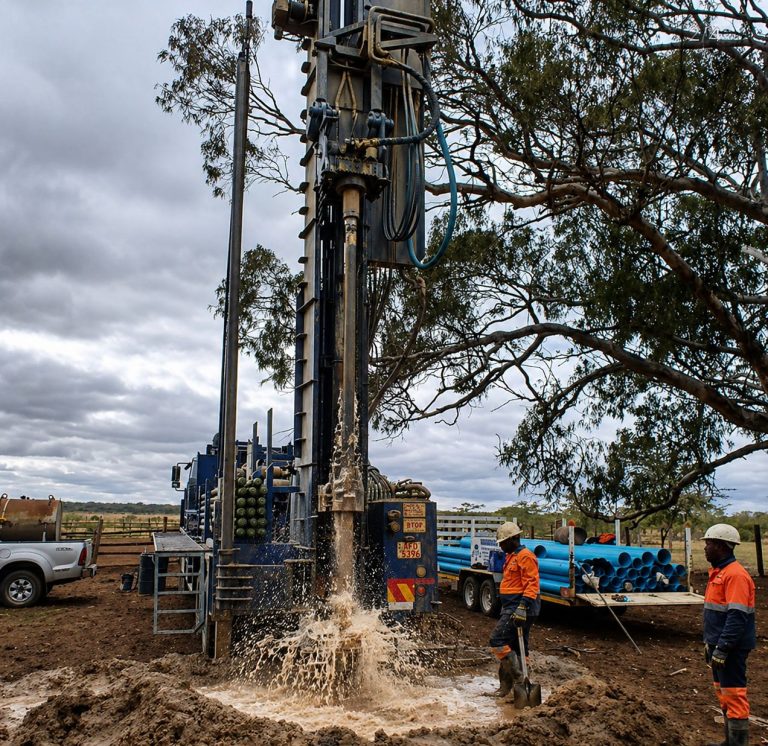
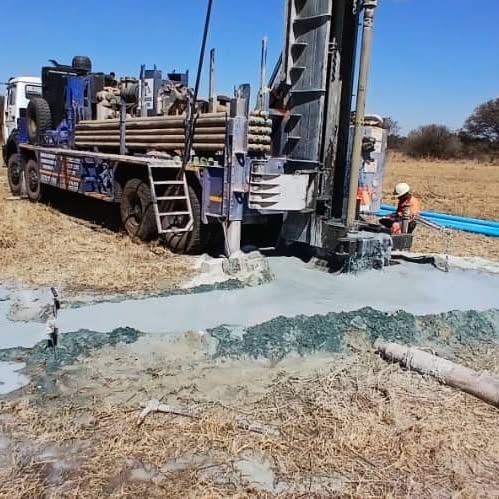
Water is the backbone of agriculture. In Zimbabwe’s climate, unreliable rainfall and inconsistent municipal supply make boreholes an essential resource for farming and livestock operations.
A properly managed borehole can transform productivity, resilience, and long-term sustainability.
1. Reliable Water for Irrigation
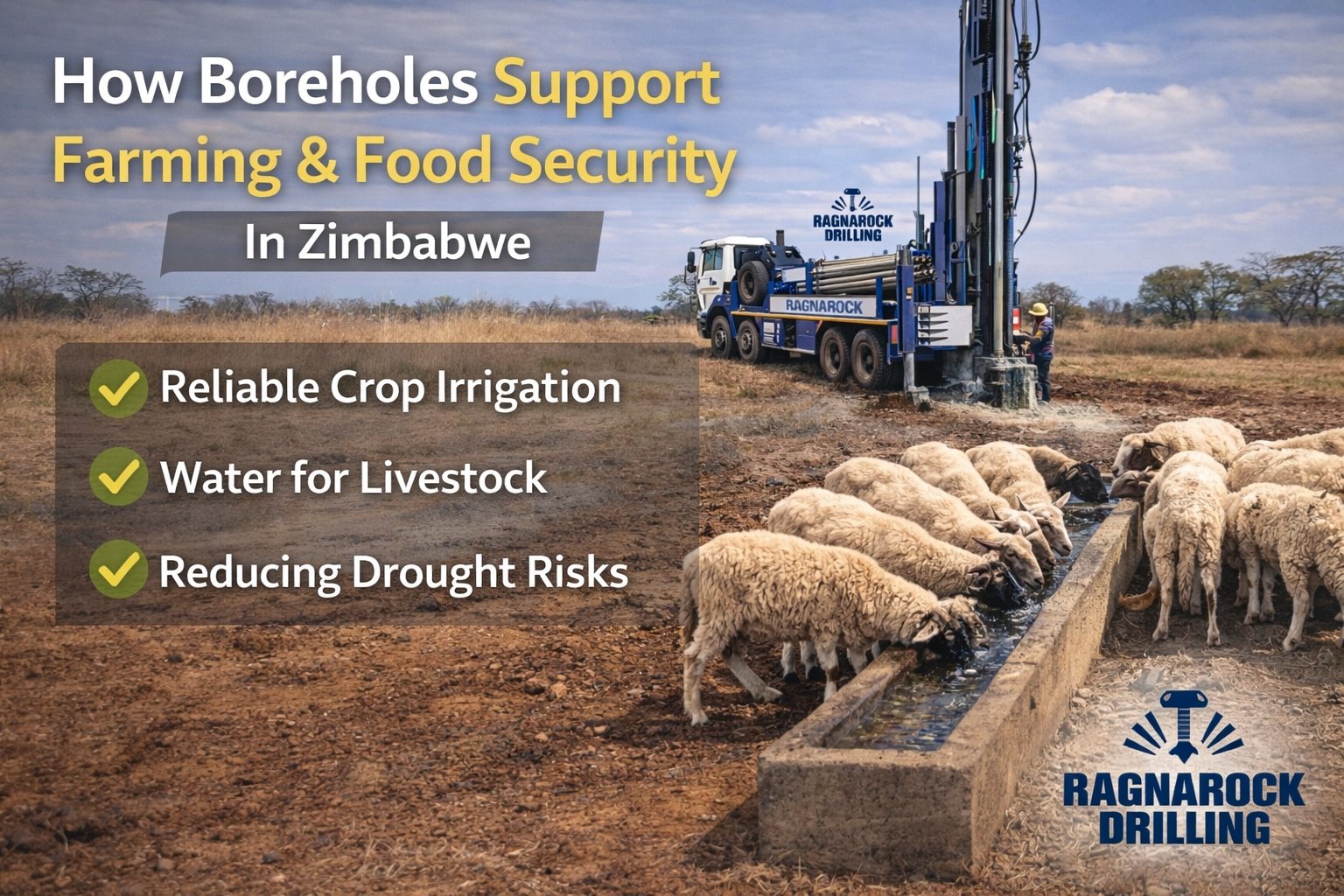
Boreholes allow farmers to irrigate crops during dry periods, extending growing seasons and reducing dependence on rain-fed agriculture. This consistency improves yields and reduces crop losses.
2. Supporting Livestock Health
Livestock require constant access to clean water. Boreholes provide dependable supply for cattle, goats, poultry, and other animals — especially in remote areas without municipal infrastructure.
3. Reducing Operational Risk
Farming operations rely on predictable inputs. Boreholes reduce vulnerability to drought, municipal outages, and fuel shortages associated with water transportation.
4. Long-Term Cost Efficiency
While drilling involves upfront costs, boreholes reduce long-term water expenses. Over time, savings outweigh the initial investment, especially for commercial farming.
5. Strengthening Rural Communities
Reliable water supports food production, employment, and economic stability. Boreholes contribute to broader rural development by enabling sustainable agricultural practices.
Responsible Borehole Use Matters
Overuse and poor management can damage boreholes. Farmers must:
- Monitor usage
- Perform maintenance when needed
- Seek professional advice when yield drops
Ragnarock Drilling assists clients by diagnosing borehole challenges and offering practical solutions tailored to agricultural needs.
Final Thoughts
Boreholes are more than water sources — they are tools for food security, resilience, and economic growth. With informed management and expert support, they remain one of the most powerful assets in Zimbabwean agriculture.