Low Borehole Yield in Zimbabwe? Technical Solutions Before Re-Drilling
Introduction
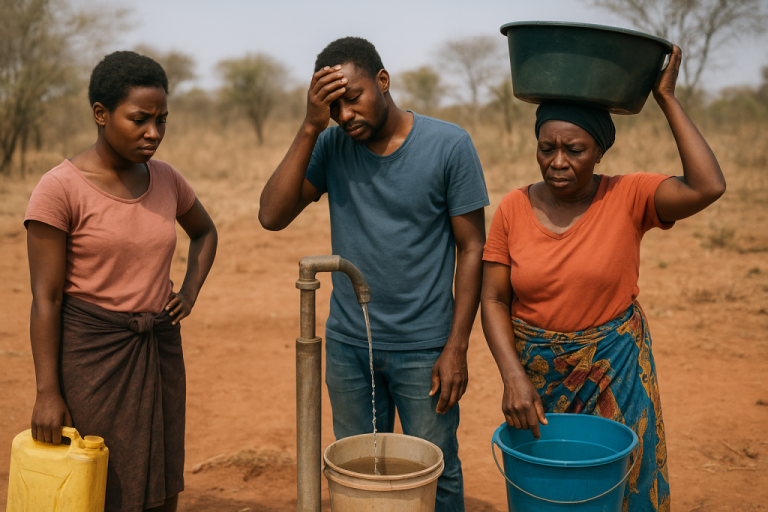
A decline in borehole water yield is a common concern across Zimbabwe. Homeowners, farmers, and institutions often assume that when water output drops, the only solution is to drill a new borehole.
In many cases, this assumption leads to unnecessary capital expenditure.
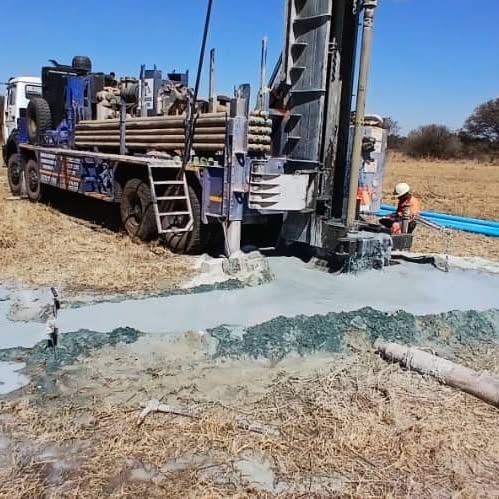
Before committing to re-drilling, it is essential to assess whether the issue can be resolved through technical interventions such as deepening, flushing, Mud Rotary stabilisation, or ODEX drilling in unstable formations.
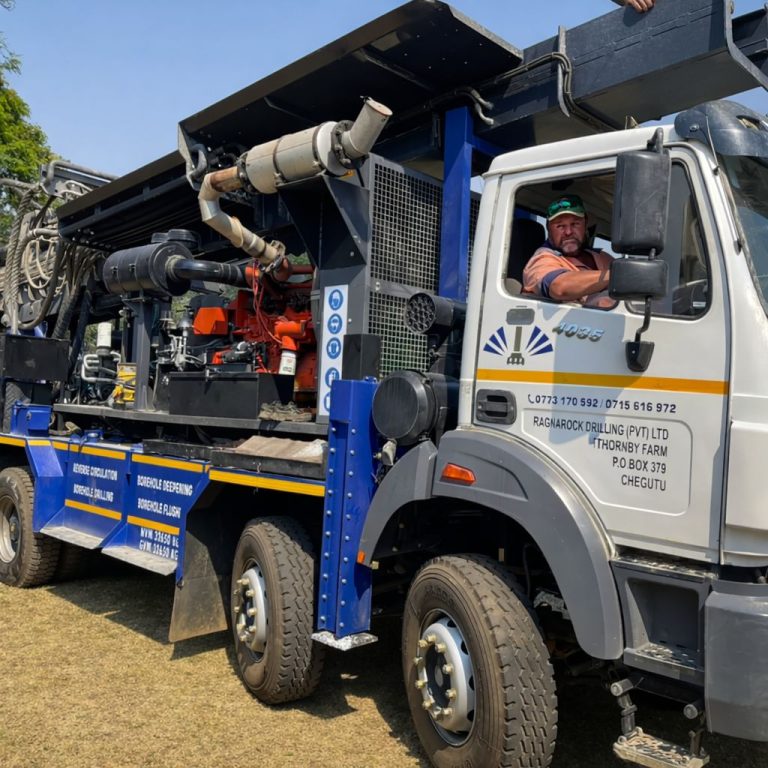
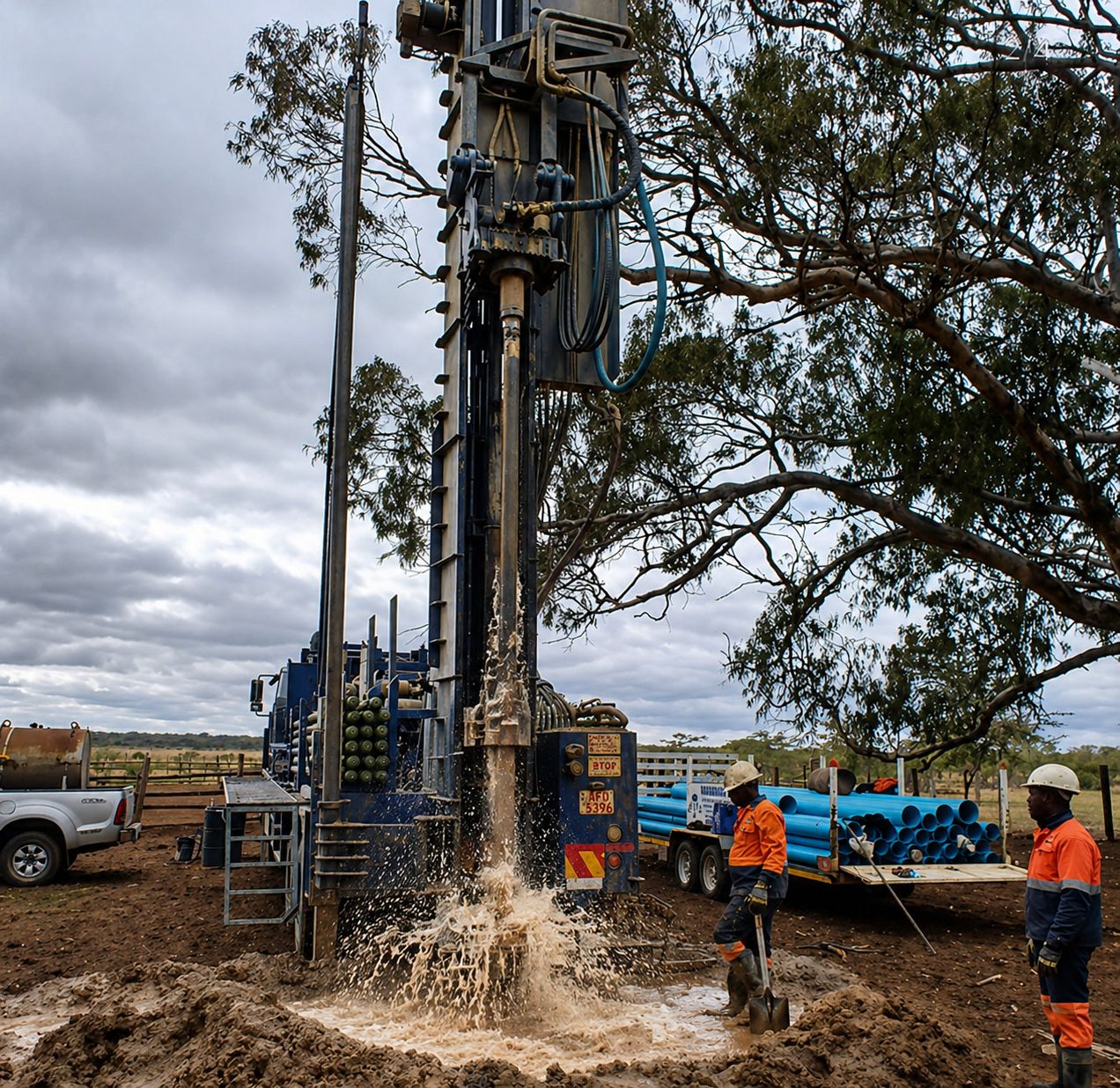
At Ragnarock Drilling, borehole rehabilitation and advanced drilling solutions are approached methodically to restore performance and extend borehole lifespan.
Why Boreholes Lose Yield
Several factors can contribute to declining borehole performance:
- Sediment accumulation
- Clogged screens
- Aquifer drawdown
- Incomplete penetration of water-bearing fractures
- Structural instability in loose formations
Understanding the root cause determines the appropriate corrective action.
Deepening: Accessing Untapped Water Zones
When Deepening Is Appropriate
If geological data or water divining suggests deeper water-bearing formations, deepening an existing borehole may significantly improve yield.
Deepening can:
- Intersect additional fractures
- Increase storage capacity
- Improve long-term supply reliability
However, it must be done with technical precision to avoid damaging existing casing.
Engineering Considerations
Professional deepening requires:
- Assessment of current borehole integrity
- Compatible drilling method selection
- Correct extension of casing
- Structural stability monitoring
Improper deepening can compromise the entire borehole.
Flushing: Restoring Borehole Efficiency
The Impact of Sediment and Debris
Over time, boreholes may accumulate fine sediments, mineral deposits, or biological growth that restrict water flow.
Symptoms include:
- Reduced discharge rate
- Cloudy water
- Increased pump strain
Professional Flushing Process
Flushing removes accumulated debris and restores permeability around the borehole screen. This process improves water flow without the need for new drilling.
In many cases, flushing alone can restore substantial yield.
ODEX Drilling: Solving Unstable Ground Challenges
What Is ODEX?
ODEX (Overburden Drilling System) is specifically designed for unstable or loose formations such as:
- Gravel
- Sandy soils
- Weathered rock
It allows simultaneous drilling and casing installation, preventing borehole collapse during the process.
When ODEX Is Necessary
If borehole instability is the cause of reduced yield or structural issues, ODEX drilling can stabilise the formation and protect the borehole from further deterioration.
It is particularly useful in areas with loose overburden common in parts of Zimbabwe.
Mud Rotary Drilling: Enhancing Borehole Integrity
Mud Rotary drilling uses drilling fluids mixed with environmentally safe additives such as bentonite.
Benefits Include:
- Cooling and lubricating the drill bit
- Removing cuttings efficiently
- Forming a protective filter cake along borehole walls
- Preventing collapse in unstable formations
In rehabilitation or advanced drilling scenarios, Mud Rotary techniques improve structural stability and long-term performance.
Myth: A New Borehole Is Always the Best Solution
Re-drilling is sometimes necessary. However, it should only be considered after evaluating:
- Existing borehole condition
- Yield history
- Aquifer characteristics
- Structural integrity
Technical intervention often delivers better financial outcomes than starting from scratch.
Cost Considerations
Drilling a new borehole involves:
- Site mobilisation
- Full drilling costs
- New casing installation
- Pump installation
Rehabilitation solutions such as deepening or flushing are often significantly more cost-effective while preserving existing infrastructure.
For agricultural and institutional clients, reducing downtime and capital outlay is critical.
Structured Diagnosis Before Action
Effective borehole rehabilitation begins with disciplined assessment:
- Yield testing
- Borehole inspection
- Geological review
- Pump performance evaluation
Only after this structured process should a technical solution be recommended.
Ragnarock Drilling prioritises accurate diagnosis over assumptions.
Sustainable Water Management
Zimbabwe’s groundwater resources must be managed responsibly. Restoring an existing borehole instead of drilling a new one reduces environmental impact and protects aquifer systems.
Professional intervention supports:
- Water sustainability
- Infrastructure longevity
- Reduced operational risk
Conclusion
Low borehole yield does not automatically mean failure. It signals the need for technical evaluation.
Deepening, flushing, ODEX stabilisation, and Mud Rotary techniques provide structured solutions that can restore performance and extend borehole lifespan.
Before committing to the expense of a new borehole, consult professionals who understand the technical variables involved.
Call Ragnarock
Experiencing reduced borehole performance?
Contact Ragnarock Drilling for professional assessment and advanced drilling solutions across Zimbabwe. Restore efficiency before considering re-drilling.