How to Choose Between Drilling, Deepening, or Flushing a Borehole

Access to clean and reliable water is becoming a priority for homeowners, farmers, schools, and businesses in Zimbabwe. As demand for independent water sources rises, so does the need to understand the best method for improving or securing a borehole. Many clients ask the same question:
“Should I drill a new borehole, deepen my existing one, or flush it?”
Each option solves different problems. The right choice depends on the cause of your water issue, the geology of your area, and the condition of your borehole. In this post, we explain the differences, benefits, and considerations for each solution — helping you make an informed decision.
1. Drilling a New Borehole
Drilling a new borehole is the best option when:
- There is no existing borehole on your property
- Your current borehole has run completely dry
- The water table in your area has dropped significantly
- The borehole is poorly positioned or was drilled in the wrong location
A new borehole provides an opportunity to start fresh, using updated siting methods and proper casing. However, it involves higher upfront costs. To reduce risk, drilling should follow guidance from a qualified water diviner, since no driller can guarantee water yield.
Best for: New developments, farms expanding supply, and properties where water is scarce or nonexistent.
2. Deepening a Borehole
Deepening involves extending the existing borehole into lower aquifer zones to access more water. This is ideal when:
- The borehole once produced strong water but the yield has declined over time
- The water table has dropped due to drought, overuse, or seasonal changes
- You want higher water capacity without drilling a new hole
Deepening is usually cheaper than drilling from scratch, but it must be approached carefully. In some cases, deepening may not reach a productive water-bearing layer, meaning the investment may not improve results. A water diviner’s guidance and geological experience are crucial here.
Best for: Boreholes that previously performed well but now produce insufficient water.
3. Flushing a Borehole
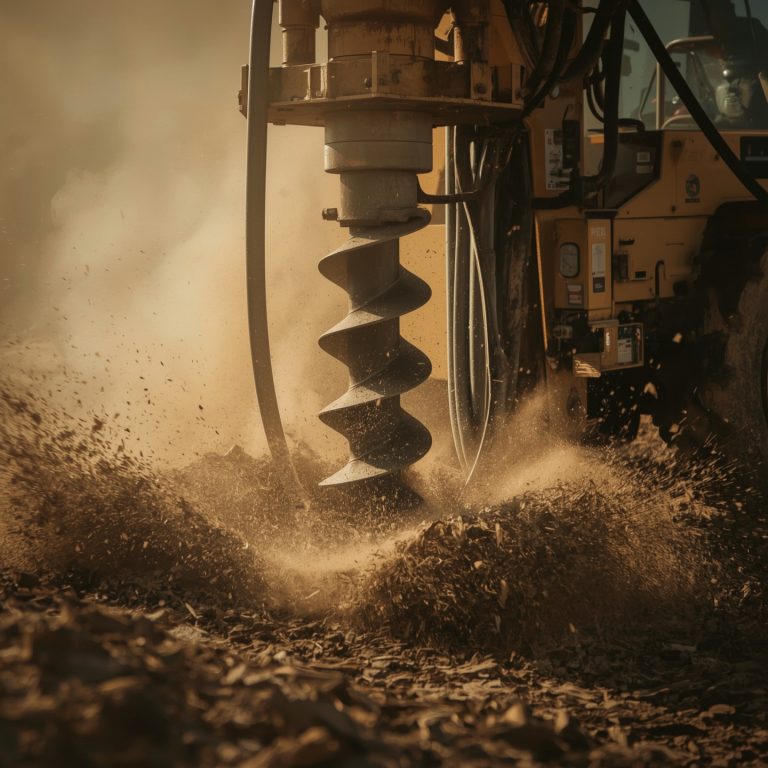
Over time, boreholes accumulate sand, mud, silt, and debris. This clogs the aquifer and blocks the flow of water. Flushing clears the borehole using air, water pressure, or a combination of mechanical methods.
Consider flushing if:
- Your pump is sucking sand or muddy water
- Water flow has reduced gradually over months or years
- The water looks dirty, cloudy, or has particles
- You have frequent pump breakdowns
Flushing is often the most affordable option and restores the borehole to previous performance levels without drilling deeper.
Best for: Boreholes affected by siltation or long-term usage with clogged pathways.
Which Option Should You Choose?
| Problem | Best Solution |
| Borehole never produced enough water | Drill new borehole |
| Borehole had good water but reduced yield | Deepening |
| Borehole water dirty or sandy | Flushing |
| Pump always breaking down | Flushing or system adjustment |
| Seasonal drop in water | Deepening |
No single solution fits everyone. That’s why an expert assessment is essential.
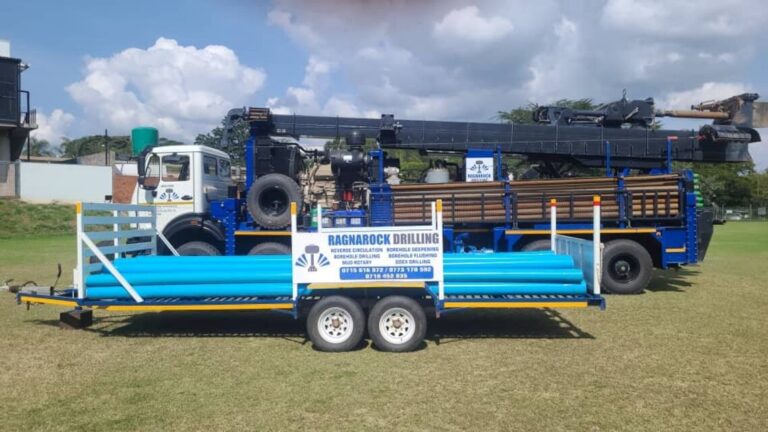
Ragnarock Drilling’s Role
Ragnarock Drilling provides:
- Borehole drilling for new installations
- Borehole deepening for improved yield
- Flushing and rehabilitation services to restore performance
- Professional diagnosis of borehole issues
- Guidance using experienced water diviners
We do not promise miracles — but we offer the best advice and solutions based on your location, geology, and water needs.
Final Thoughts
Choosing the right solution can save you money and maximize your water supply. Before spending on drilling or upgrades, ensure you get professional assessment and honest recommendations. The right decision today can secure your property’s water future for years.